A profile that is only a few millimetres out can stop an otherwise well-planned job. It may not fit a folded section, line up with a weldment or sit correctly in a site assembly. That is why choosing metal profile suppliers is about more than obtaining cut steel at a competitive rate. It is about securing parts that arrive accurate, cleanly cut and ready for the next stage of work.
For fabricators, builders, engineers and designers, an outsourced cutting partner often becomes part of the production process. Their capability affects lead times, material yield, finished appearance and the amount of rework your team carries. The right supplier helps keep work flowing. The wrong one can create delays that are far more expensive than the original cutting quote.
What metal profile suppliers should provide
A metal profile supplier should be able to turn a drawing or cutting file into components that suit the material, tolerance and end use of the job. That may be straightforward production blanks for a fabrication run, or intricate profiles for architectural metalwork, machinery guards, brackets, signs or decorative screens.
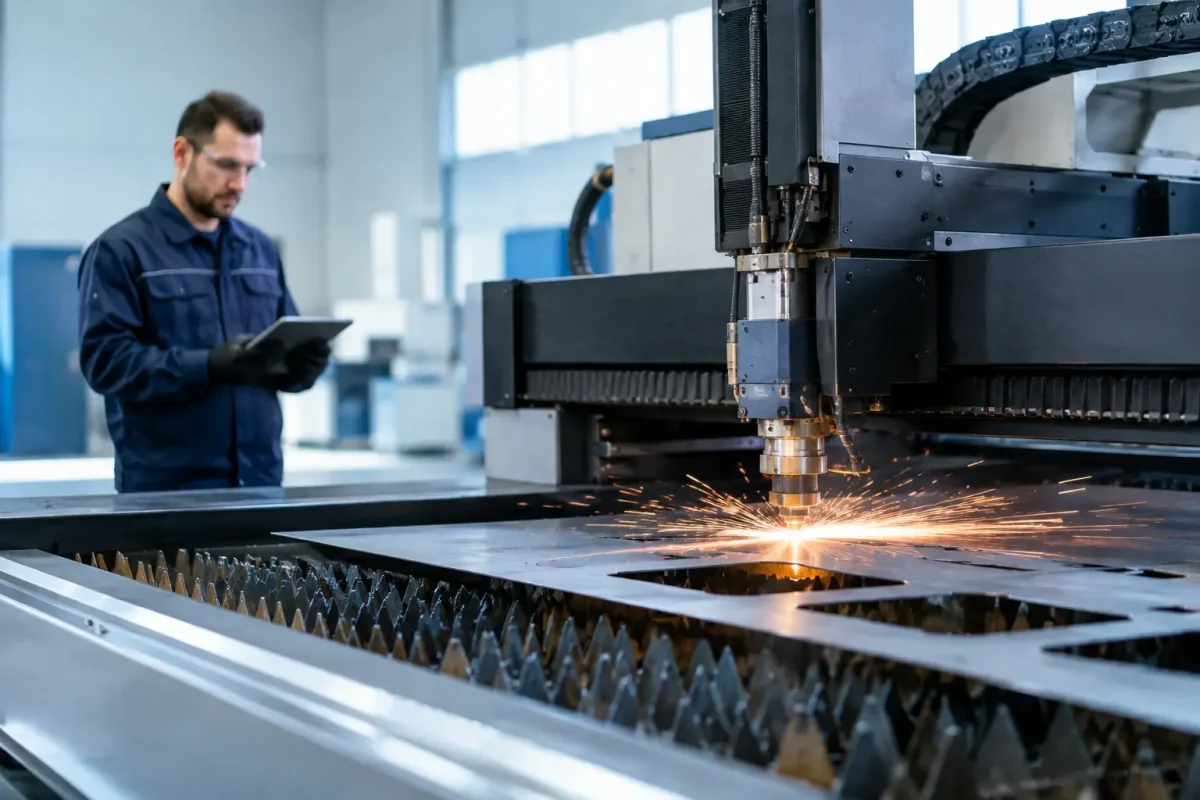
The cutting process matters. High definition laser cutting is often the efficient choice for many steel, stainless steel and aluminium jobs where speed and a precise edge are required. Waterjet cutting uses a high-pressure stream of water, with abrasive where needed, to cut without heat. At pressures up to 60,000 PSI, it can produce detailed profiles in materials and thicknesses that would be unsuitable for heat-based cutting.
Neither process is automatically better. Laser can be the practical option for fast, repeatable metal production work. Waterjet is particularly valuable where heat affected zones, distortion or changes to material properties are a concern. A capable supplier will assess the requirement rather than push every job through one machine.
That flexibility is especially useful when a project includes more than metal. Waterjet can accurately cut tile, stone, rubber, foam, gaskets, timber and other materials suited to cold cutting. For project managers coordinating several trades or component types, dealing with one experienced cutting provider can reduce handling and simplify the programme.
Accuracy starts before the machine runs
Good profile cutting begins with clear job information. A supplier needs the correct file, dimensions, material grade, thickness, quantity and any critical tolerances. It also helps to explain how the part will be used. A bracket requiring a close-fit hole, for example, may need a different approach to a decorative panel where visual finish and material grain are the priority.
File quality is a common source of avoidable problems. Duplicate lines, open paths, incorrect scale and unclear layers can all slow programming or result in an unexpected cut. DXF files are widely used for profile cutting, but a reliable supplier should review supplied artwork and raise questions early when something does not match the quoted scope.
Material selection also needs practical judgement. Two sheets that look similar can behave differently in cutting, welding, finishing and service. Stainless steel grades, aluminium alloys, mild steel thicknesses and surface finishes each influence the best process and final result. If the material has a protective film, brushed face or a required visible side, that should be identified before cutting begins.
Cut quality is more than a neat edge
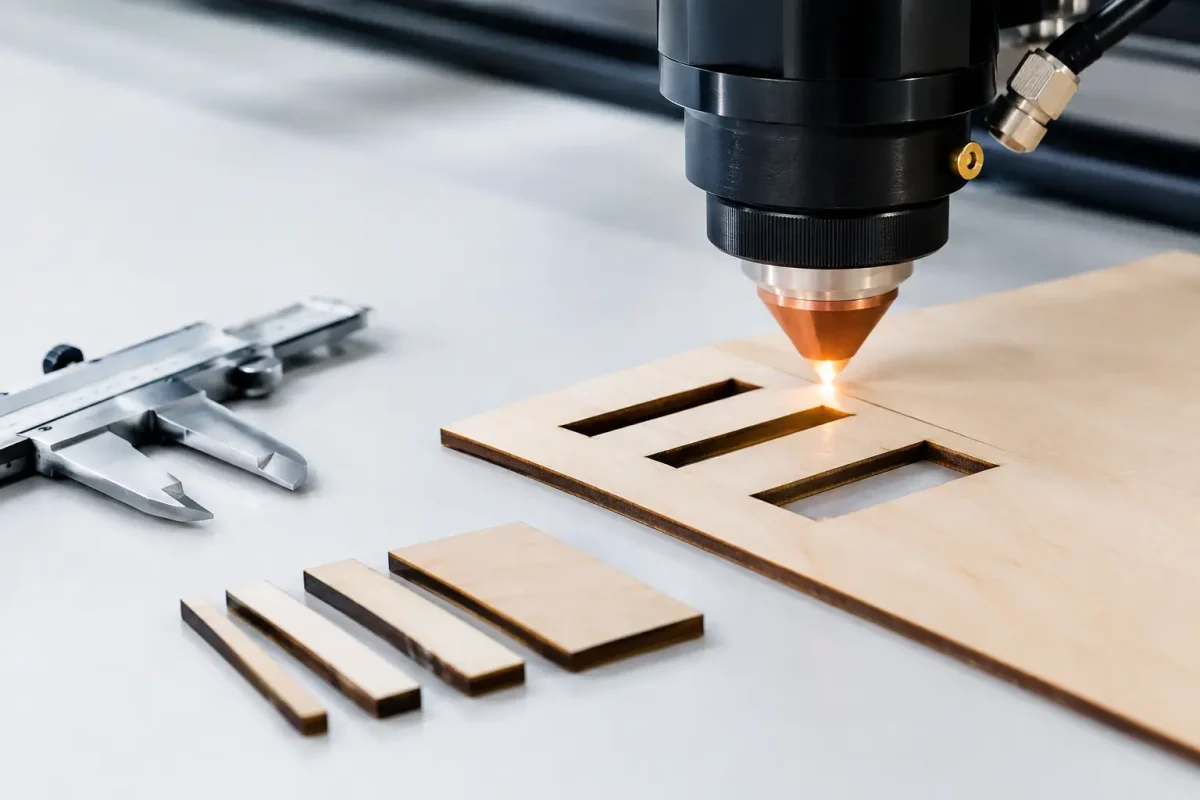
The edge left by a cutting process affects what happens next. A clean, accurate edge can reduce grinding, make welding preparation easier and improve the appearance of a finished component. For decorative, exposed or precision-fit work, this can save significant workshop time.
With laser cutting, edge quality depends on factors including material type, thickness, assist gas and cutting settings. Heat is part of the process, so the supplier should understand how to manage it for the job. With waterjet, the cold-cut process avoids heat distortion and does not create a heat affected zone. This can be a major advantage for heat-sensitive materials, thick plate, detailed internal features and parts that must retain their original properties close to the cut.
There are trade-offs. Waterjet cutting may not be the fastest or lowest-cost process for every thin-sheet production run. Laser may be more economical where high volumes and rapid cutting cycles are the priority. The value lies in selecting the method that reduces the total cost of the finished part, not simply the cost per minute on a cutting table.
Questions worth asking before you place an order
Before committing a job, it is worth checking how the supplier manages the details that can affect delivery and fit-up. Ask whether they cut your material, can source suitable stock, and whether offcuts or remnant sizes may affect yield. Confirm the required lead time, delivery arrangement and whether parts will be identified or packed for easy sorting on arrival.
You should also ask how they handle revisions. In fabrication and construction, drawings change. A supplier with responsive communication can confirm which revision is programmed, prevent superseded files entering production and advise when a change will affect cost or turnaround.
For repeat work, consistency matters as much as the first order. A dependable supplier keeps job records, understands the established requirement and can reproduce parts accurately when you need another batch. This is valuable for maintenance work, product manufacturing and staged construction packages where parts may be called off over months rather than cut all at once.
Local capacity can protect your programme
A supplier does not need to be next door to provide good service, but proximity can be valuable when timing is tight. Adelaide businesses often need the ability to clarify a detail quickly, arrange collection, inspect a sample or secure delivery across South Australia and into country areas. Local cutting capacity can remove freight delays and give project teams a direct point of contact when priorities change.
It is also easier to build a productive working relationship with people who understand local fabrication, mining, construction and architectural requirements. They are more likely to recognise the difference between a concept drawing and a production-ready file, and to ask the practical questions before material is committed.
At Waterjet & Laser SA, onsite CNC laser and waterjet capability allows the cutting method to be matched to the material, design and required finish. That means a fabricator does not have to compromise a heat-sensitive component simply because only one process is available.
Look beyond the quoted price
A low quote can be attractive, particularly on a large batch, but it should be considered alongside quality control, communication and the likely downstream cost. Parts that need extensive cleanup, arrive mixed without identification or require recutting can quickly absorb any initial saving.
Compare like for like. Check whether the quote includes programming, material, cutting, deburring where required, packing and delivery. Make sure the tolerance expectation is realistic for the chosen material and process. If a job has critical features, a first-off sample or a discussion before production may be worthwhile.
The best profile-cutting relationship is practical and transparent. You provide complete information and realistic timing; the supplier provides clear advice, accurate parts and early notice if an issue arises. That level of communication is not an extra. It is part of reliable manufacturing support.
When the next drawing lands on your desk, consider what the component needs to do after it is cut. A supplier that understands that question can help turn a file into a part that fits, performs and keeps the rest of the job moving.